- LenDentonThrive Letter
- Posts
- Your Sugar Addiction Game Plan
Your Sugar Addiction Game Plan
Putting Your Sugar Monster Back In Its Cage!

Len Denton
January 17, 2026

Reading Time: 5 Minutes
Hey Brothers,
Welcome back to the LenDentonThrive Letter!
I think we should declare January as Sugar Addiction Awareness Month!
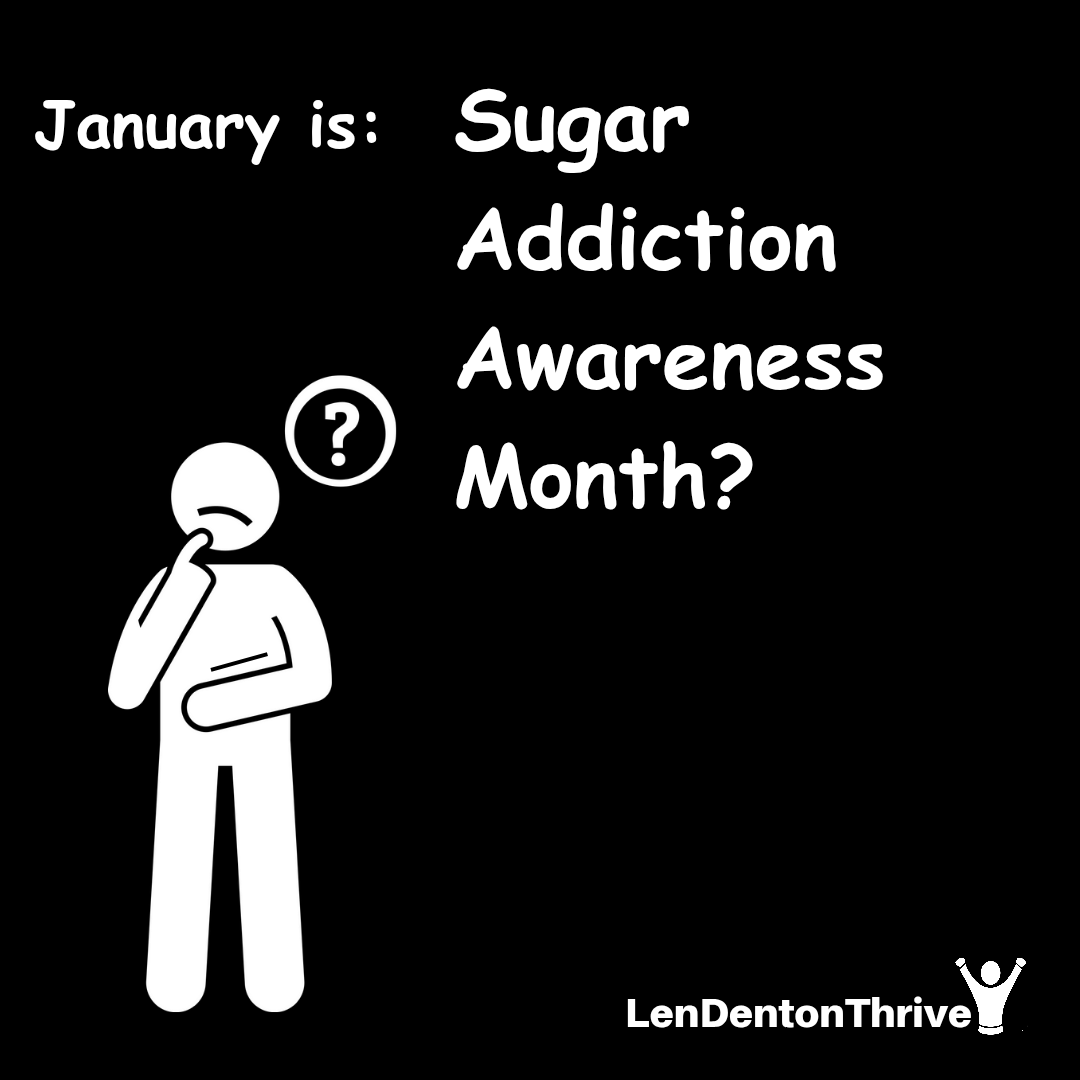
It's that annual tradition where millions of Americans embark on new fitness journeys. They typically resolve to lose weight, eat better or work out more. And as they begin their new diets or attempt to eat healthier, they invariably run into their hidden sugar addiction.
I call it the Sugar Monster!
This monster remains quietly satisfied as long as we feed it a steady stream of sugar and other sweeteners (like high fructose corn syrup). But the moment the sugar-stream is reduced or interrupted, the Sugar Monster springs to life, demanding to be fed!
Most Americans have a hidden sugar addiction, but don’t know it. That’s because most Americans eat the Standard American Diet (S-A-D), which is full of sugar, processed sweeteners (high-fructose corn syrup), and highly-processed carbohydrates. Our bodies quickly convert all of these ingredients to glucose - the primary driver of our sugar/glucose addiction. (Note: the Sugar Monster is actually a glucose monster!)
Our bodies react when we cut back on our consumption of sugar and sweets. Sugar is highly addictive, and many people experience strong cravings or withdrawal. I've written more on the S-A-D here.
Next, let’s take a look at how to determine if we are experiencing the signs of a sugar addiction.
Uncovering A Sugar Addiction
Identifying your sugar addiction can be challenging. Several signs and behaviors can suggest a dependency on sugar. Here are some indicators that you might have a sugar addiction:
Craving Something Sweet After Every Meal: If you feel that a meal isn't complete without a sugary treat, it could be a sign of sugar addiction.
Increased Tolerance for Sweetness: Over time, consuming large amounts of sugar can dull your taste buds, requiring more sugar to achieve the same level of sweetness. If you find that naturally sweet foods like fruits no longer taste sweet, this might be an indicator.
Energy Fluctuations: Experiencing dramatic spikes and crashes in energy levels throughout the day can be linked to sugar consumption. Sugar causes a quick rise in blood sugar, followed by a crash, leading to feelings of fatigue and more sugar cravings.
Difficulty Reducing Sugar Intake: If you consciously try to cut back on sugar but find it challenging, this could be a sign of addiction. You might also hide your sugar consumption or make excuses for it.
Eating Sugary Foods When Not Hungry: Consuming sugary snacks even when you're not hungry, especially in response to emotional triggers like stress or boredom, can indicate a dependency.
Physical Symptoms: Withdrawal symptoms such as headaches, irritability, or mood swings when you reduce sugar intake can also suggest an addiction.
Using Sugar as a Mood Booster: Relying on sugar to improve your mood or energy levels is another potential sign of addiction.
An effective way to self-diagnose whether you have a sugar addiction is to track your food intake for 3-4 days. Be sure to include weekend days. Just write down everything you’re eating. There is no need for calorie tracking, just record the items. Once you’ve done this, your eating patterns will be clear. You’ll be able to see what kinds of foods you’re eating and how frequently.
Your Sugar Addiction Game Plan
If you have a sugar addiction, it can be a real hindrance to your fitness and weight loss plans. So, when you’re ready to put your Sugar Monster back in its cage, here’s a game plan you can use:
Step 1 - Share and Coordinate - because changes to your diet could affect others around you, it’s a good idea to share your plans with a spouse or partner. This will allow them to adjust their plans to support your efforts.
Step 2- Start a Sugar Fast - Begin a 10-day sugar fast, during which time you will choose to consume no sugars in your diet. You’ll need several days of zero sugar consumption to overcome the cravings. If you mess up, start the 10 days over from the beginning. You’re likely to experience some withdrawal cravings during this time. This is normal and expected. Two things that I have found helpful to deal with cravings during this fast are:
Sugar-Free Substitutes - I found several sugar-free versions of my favorite foods that I swapped for the sugar-full versions. I also switched from sugar to Sucralose (Splenda). See more on artificial sweeteners here.
I found that fruit, especially strawberries, was a satisfying snack that I could eat when I craved sugar. (You might need to experiment to find your go-to substitute.)
Step 3 - Eat Healthy Meals - Don’t skip meals. Increase your protein intake at every meal (especially breakfast). Protein helps you feel satiated for longer. Replace sugar calories with meats and vegetables. And, eat well. Don’t allow yourself to be hungry during this 10-day fast period!
Step 4 - Clean Out the Pantry - get rid of the foods that cause you to eat sugar. This includes sugary drinks and snacks. (See Step 1 above BEFORE you toss out other folks snacks!)
Step 5 - Read Food Labels - Don’t consume any food products where sugar is listed as one of the first three ingredients.
Step 6 - Stay Hydrated - Sometimes, we think we are hungry when we are actually thirsty. Whenever you feel hunger, drink 12-16 ounces of water and wait 20 minutes. If you are still hungry after 20 minutes, eat a healthy snack.
Step 7 - Get More Sleep - sleep helps us manage our appetites. Sleep reduces our levels of Cortisol (the fight-or-flight hormone) and Ghrelin (the hunger hormone).
Step 8 - Reduce Stress - Food cravings are often triggered by stress. Lowering our stress levels also lowers Cortisol (as noted in #7 above). Avoid stressful situations and people whenever you can. Walking is an excellent way to reduce stress.
This game plan works for me, and it can work for you, too.
The key to success in dealing with your sugar addiction is to attack it head-on! Half measures will simply prolong the length of time you remain under its control. The rewards of beating your sugar addiction are a longer, healthier life.
Thanks for reading today.
And remember, God loves us. He wants us to thrive. So, let’s go!
Thanks for reading this week.
I write this newsletter to make a positive impact on the lives of men and their families. If you found this information useful, please consider subscribing to receive new editions each week. And, please share this with friends or family that would benefit from the ThriveLife!
If you’d like to share a thought, a question or comment with me, you can simply reply to this email. I’d love to hear from you!
Follow me on the socials for daily tips and strategies for living your ThriveLife:
Reply